Explore the typical day of a local home care employee, understanding their routine, responsibilities, and impact on the community.
What are the responsibilities of a home care employee?
Assisting with Daily Living Activities
Home care employees assist clients with daily living activities, including personal hygiene, mobility, and maintaining a clean living environment. Their support enables clients to live comfortably and promotes safety, providing peace of mind for families.
They also assist with transportation, enabling clients to attend essential appointments and social engagements. This support helps clients maintain their independence and connection to the community.
Medication Management and Administration
Medication management is crucial, requiring home care employees to ensure clients adhere to medication regimens. They organize medications, monitor effects, and coordinate with healthcare providers to prevent health complications, ensuring clients’ well-being.
Caregivers document medication activities, maintaining clear communication with healthcare professionals and families. Accurate records track clients’ responses, aiding future healthcare decisions.
Providing Companionship and Emotional Support
Emotional and psychological support from caregivers is as important as physical support. Companionship helps alleviate loneliness and builds trust, enhancing the care provided. Respecting clients’ feelings and cultural backgrounds fosters a supportive, inclusive environment.
Handling Nutrition and Meal Preparation
Home care employees ensure clients receive balanced meals tailored to dietary needs. They collaborate with professionals to accommodate restrictions and promote healthy eating habits, enhancing clients’ health and quality of life.
Monitoring changes in appetite helps identify potential health issues, facilitating preventive healthcare.
Tracking and Scheduling Appointments
Efficient appointment management ensures clients receive necessary care without missing engagements. Caregivers coordinate schedules, enabling effective communication with healthcare professionals and clients.
Technology aids in scheduling, enhancing efficiency and accuracy, while maintaining data privacy is paramount.
How do home care employees manage their time effectively?
Prioritizing Tasks
In the realm of caregiving, a systematic approach to prioritizing tasks greatly enhances the quality and efficiency of care provided to clients. Caregivers are responsible for a myriad of daily tasks, each varying in importance and urgency. By employing a methodical prioritization of these tasks, caregivers can ensure that critical needs are addressed promptly while also managing the less urgent, yet essential responsibilities.
Caregivers often organize their tasks based on two main criteria: urgency and impact. Urgent tasks are those that require immediate attention, such as administering medication on a strict schedule or responding to a client’s acute health issue. Impactful tasks, on the other hand, are those that, while they might not be immediately pressing, have significant effects on the client’s well-being, such as regular health monitoring or personalized therapy sessions.
To aid in the effective management of these tasks, caregivers utilize various tools and technologies. These tools can range from simple to-do lists and calendars, to more advanced software applications designed for healthcare professionals. Such instruments help caregivers keep track of their schedules, ensuring no task is overlooked, and appointments are consistently met. For instance, digital tools can send reminders for upcoming appointments or alerts for tasks that need immediate attention, which significantly reduces the risk of errors and enhances overall service delivery.
Using Technology for Scheduling
Technology significantly enhances scheduling efficiencies and improves communication, creating a seamless operation that benefits both caregivers and their clients. By leveraging advanced scheduling tools, caregivers are able to share schedules easily, providing transparency and flexibility. Furthermore, technology allows for precise task management, ensuring that all responsibilities are clearly outlined and understood. This leads to an enhancement in overall service delivery, as caregivers can devote more time and attention to their clients rather than getting bogged down by administrative duties. Additionally, with features like automated reminders and real-time updates, both clients and caregivers experience a more coordinated and effective caregiving process. This synergy between scheduling advancements and enhanced communication not only optimizes workflow but also improves the quality of service, fostering a more supportive and reliable caregiving environment.
Balancing Client Visits and Administrative Duties
Caregivers balance direct client care with administrative duties by strategically planning their day. Effective communication and organization improve service delivery and client satisfaction.
Adapting to Changes in Schedule
Caregivers adapt to clients’ changing needs, emphasizing flexibility and resourcefulness. Training equips them to handle emergencies, maintaining high standards of care.
Self-Care and Managing Stress
Self-care is vital for caregivers to remain effective. Organizations support stress management through flexible work environments and counseling services. Personal strategies, such as mindfulness, also aid in maintaining resilience and compassion.
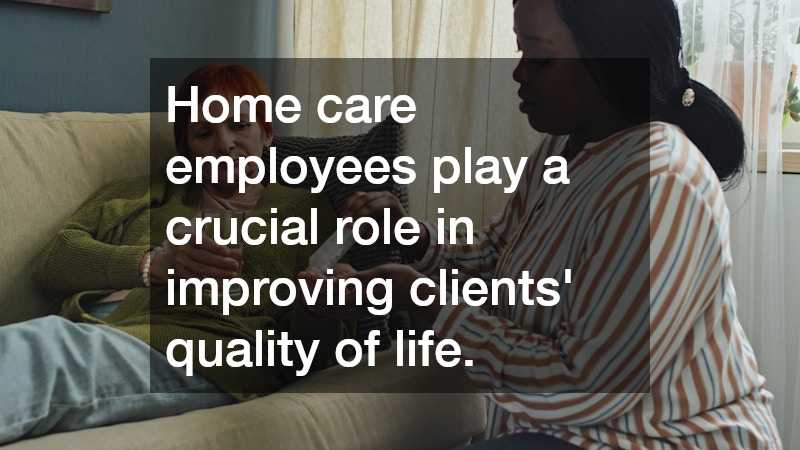
Home care employees play a crucial role in improving clients’ quality of life. They manage various responsibilities with dedication and compassion, fostering trust and enhancing healthcare service delivery. Their consistent support ensures that clients can maintain their independence and dignity. Moreover, they provide personalized care that addresses each individual’s unique needs.