
Healthcare can become difficult to manage when appointments, records, medications, transportation, caregiving responsibilities, and unexpected situations all compete for attention. Accessibility also involves more than physical access to a medical office. People may need information presented clearly, flexible scheduling, appropriate equipment, transportation assistance, or support coordinating care across different providers.
Families can make healthcare more manageable by creating systems before they are urgently needed. Keeping records organized, preparing questions for appointments, understanding available resources, and making the home easier to navigate can reduce unnecessary complications. These steps can also help caregivers coordinate responsibilities when several people are involved in someone’s care.
Healthcare needs also change throughout life. A child becoming more independent, an adult recovering from an injury, an older relative experiencing mobility changes, or a pet requiring rehabilitation can all create new logistical challenges. Taking a proactive approach allows households to adapt their routines while keeping safety, communication, and individual needs at the center of the process.
Organize Important Health Information Before It’s Needed

Organized health information can make appointments, emergencies, and transitions between providers easier to manage. Instead of relying on memory, families can maintain a current record of medications, allergies, diagnoses, procedures, insurance information, and provider contact details. Digital records can be useful, but important information should also be available in a format that can be accessed when electronic devices are unavailable.
Dental information deserves the same attention. Someone who wears metal retainers, for example, may need to communicate relevant orthodontic information during dental appointments or other procedures. Keeping documentation about appliances and previous treatment can help providers understand a person’s history.
A practical health-information system can include:
- Current medication and supplement lists.
- Allergies and significant medical history.
- Names and contact information for providers.
- Insurance and pharmacy information.
- Recent test results or treatment summaries when appropriate.
- Emergency contacts and relevant care instructions.
Review the information periodically rather than allowing it to become outdated. A simple update after a new diagnosis, medication change, procedure, or provider change can make the record substantially more useful when it is needed.
Understand Options When Health Conditions Affect Daily Life
A health condition can affect much more than medical appointments. Depending on the circumstances, an illness or injury may affect employment, transportation, housing, finances, education, or the ability to perform everyday activities. Understanding available resources can help people identify practical ways to address these changes.
Some individuals may consult disability attorneys when a medical condition or injury raises questions about disability benefits, workplace rights, accommodations, or other legal matters. Legal issues vary considerably, so people should provide complete documentation and seek advice appropriate to their particular circumstances rather than relying on general information.
Keeping organized records can be particularly helpful. Consider maintaining:
- Medical evaluations and treatment records.
- Documentation describing functional limitations.
- Employment or workplace accommodation records.
- Correspondence concerning benefits or claims.
- A timeline of significant medical events.
- Copies of relevant forms and decisions.
Healthcare providers and legal professionals serve different roles, but information from one area may be relevant to another. Clear documentation allows individuals to explain their circumstances accurately and can reduce the burden of repeatedly reconstructing a complicated medical history.
Prepare for Injuries and Medical Needs After Road Incidents
Unexpected roadway incidents can create immediate healthcare needs and longer recovery periods. After a serious collision, people may need medical evaluation, follow-up appointments, medication, physical therapy, transportation, or assistance with ordinary activities. Having a plan for these practical issues can make recovery easier to coordinate.
The term semi-accidents may appear in searches or conversations about commercial vehicle incidents, but people should use precise terminology when describing an event to medical, insurance, or legal professionals. Clear information about what happened, when symptoms appeared, and what treatment was received can be important when documenting an injury.
After an incident, consider:
- Seeking appropriate medical evaluation for injuries.
- Following discharge and follow-up instructions.
- Keeping copies of medical records and bills.
- Recording medications and treatment recommendations.
- Arranging transportation when driving is not practical.
- Asking for help with routine tasks during recovery.
Symptoms and recovery experiences can vary significantly. Rather than attempting to determine the seriousness of an injury independently, individuals should communicate changes or concerns to an appropriate healthcare professional. Keeping a simple recovery record can also make it easier to discuss changes during follow-up appointments.
Make Routine Care Easier for The Animals in Your Household

Healthcare planning can include the animals that share the home. Routine veterinary appointments, vaccinations, medications, dental care, and unexpected illnesses all require time and organization. Families can make these responsibilities easier by maintaining a separate but similarly organized record for each pet.
When comparing vet clinics, consider practical factors in addition to the services provided. Location, appointment availability, communication methods, accessibility, emergency procedures, and the needs of the particular animal can all affect how manageable routine care becomes.
Pet healthcare records can include:
- Vaccination and preventive-care history.
- Current medications and supplements.
- Previous diagnoses and procedures.
- Microchip information when applicable.
- Dietary information and known sensitivities.
- Emergency contact information.
Transportation should also be considered, particularly for households without easy access to a vehicle or for animals that are difficult to transport. Planning these details before an emergency occurs can reduce stress and make it easier to get an animal appropriate attention when circumstances change suddenly.
Know How to Handle Health Hazards in the Home
Medical emergencies can sometimes leave behind biological materials or other hazards that require careful handling. After immediate medical care has been addressed, families may also need to think about how the affected area will be handled. Children, pets, and other household members should not be exposed to potentially contaminated materials.
Trauma cleanup may be appropriate in circumstances involving blood or other potentially infectious materials, particularly when the affected area is extensive or the household lacks appropriate protective equipment and cleaning procedures. Professional services may have specialized procedures for cleaning and restoring affected spaces.
After a serious incident, households should:
- Keep children and pets away from affected areas.
- Avoid handling potentially contaminated materials unnecessarily.
- Follow appropriate professional or public-health guidance.
- Identify whether specialized cleaning is needed.
- Keep potentially contaminated items separated until properly addressed.
Healthcare and environmental cleanup are separate considerations, but both can affect a family’s ability to return to normal routines. Once medical needs are addressed, restoring the environment safely can be an important practical step toward making the household functional again.
Teach Children How to Participate in Their Own Healthcare
Children gradually become responsible for more aspects of their own health. Parents can support this transition by teaching age-appropriate habits rather than expecting children to understand healthcare responsibilities all at once. Simple lessons about hygiene, nutrition, sleep, symptoms, medications, and appointments can provide a useful foundation.
A preparatory school may also be part of a child’s broader support network. Parents can communicate appropriate health information to school personnel when necessary and understand the school’s procedures for medications, illness, emergencies, and communication with families.
Parents can help children develop independence by teaching them to:
- Explain where they feel pain or discomfort.
- Tell an adult when they do not feel well.
- Understand basic medication safety.
- Prepare simple questions for healthcare visits.
- Recognize trusted adults they can approach for help.
- Follow age-appropriate hygiene and wellness routines.
The goal is not to make children responsible for managing healthcare independently before they are ready. Instead, parents can gradually involve them in decisions and routines while providing the supervision appropriate for their age and circumstances.
Make Preventive Care Part of a Manageable Routine
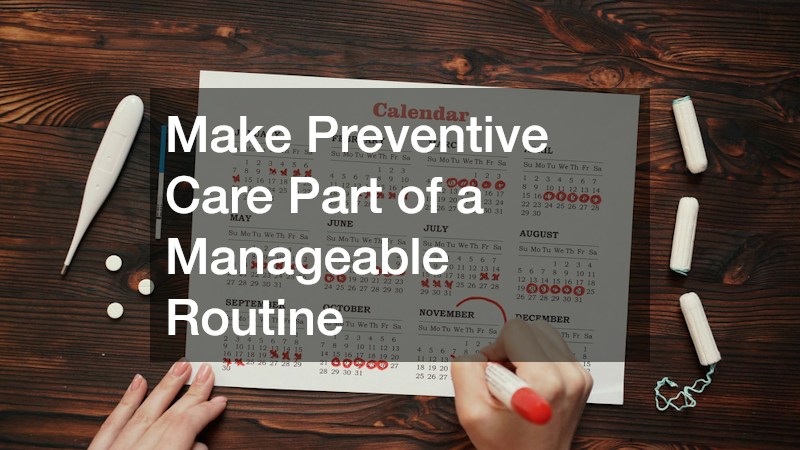
Preventive healthcare is easier to manage when appointments are treated as part of an ongoing routine rather than something addressed only when symptoms appear. The specific screenings and examinations a person needs depend on factors such as age, medical history, risk factors, and recommendations from qualified healthcare professionals.
For vision-related needs, an eye care center can provide examinations and other services appropriate to a person’s circumstances. Families can keep track of recommended visits and ask providers how often examinations should occur based on individual needs.
To make preventive care easier:
- Maintain a calendar for routine appointments.
- Keep provider recommendations with other health records.
- Prepare questions before appointments.
- Record follow-up instructions afterward.
- Ask about transportation or accessibility accommodations.
- Schedule appropriate family appointments with enough time between visits.
Combining good recordkeeping with a predictable appointment routine can reduce the chance of overlooking follow-up care. Families should still respond to new or concerning symptoms according to appropriate medical guidance rather than waiting for the next routine appointment.
Plan for Temporary Mobility Challenges Before They Disrupt Daily Life
Mobility can change temporarily after an injury, surgery, or other medical event. Even when the underlying condition is expected to improve, navigating stairs, bathrooms, entrances, bedrooms, and kitchens may become more difficult during recovery. Thinking about these barriers before returning home can make the transition safer and more practical.
Wheelchair rentals may be one option in situations where temporary mobility equipment is appropriate. The correct equipment depends on the individual’s needs and should be discussed with healthcare or rehabilitation professionals when necessary. Families should also consider whether the home can accommodate the equipment comfortably.
Before returning home, evaluate:
- Entrance and exit routes.
- Stairways and narrow doorways.
- Bathroom access.
- Bedroom placement.
- Space for moving between frequently used rooms.
- Transportation requirements for appointments.
Temporary accessibility changes do not necessarily require permanent remodeling. Rearranging furniture, moving frequently used items within easier reach, and creating clear pathways may make a meaningful difference. Planning these changes can prevent unnecessary difficulties during the early stages of recovery.
Support Recovery With Appropriate Rehabilitation and Daily Activity
Recovery may involve rehabilitation designed to restore or maintain function. The type and intensity of rehabilitation depend on the person, condition, and recommendations of qualified professionals. Families can support the process by making prescribed activities easier to incorporate into everyday routines.
The same principle applies to animals recovering from injury or surgery. Pet physical therapy can involve professionally guided rehabilitation activities intended to address an animal’s specific functional needs. Families should follow veterinary recommendations rather than attempting unfamiliar exercises without appropriate guidance.
Helpful recovery practices can include:
- Following the prescribed activity schedule.
- Keeping necessary equipment accessible.
- Tracking changes in mobility or function.
- Communicating unexpected changes to the appropriate professional.
- Adjusting household arrangements when temporary limitations arise.
- Maintaining realistic expectations about the pace of recovery.
A supportive environment can make rehabilitation easier to integrate into daily life. Families should avoid comparing one person’s or animal’s recovery with someone else’s experience. Progress can vary, and treatment plans may change as the individual responds to rehabilitation.
Create Safer Systems for Managing Healthcare-Related Materials
Healthcare at home can produce supplies and materials that require thoughtful handling. Depending on the item, ordinary household disposal may not be appropriate. Families should understand the instructions associated with medications, sharps, contaminated materials, and other healthcare-related waste they use.
Medical waste disposal requirements can vary according to the material and local regulations. Healthcare providers, pharmacies, waste authorities, or other appropriate resources can provide instructions for specific items. The important principle is to avoid improvising when a product has special handling requirements.
Households can create a simple system by:
- Keeping healthcare supplies in an organized location.
- Separating items that require special disposal.
- Following product and provider instructions.
- Keeping hazardous materials away from children and pets.
- Using designated collection programs when applicable.
- Checking local requirements for unusual or regulated waste.
Good disposal practices protect household members, waste workers, and the broader environment. They also make home healthcare more manageable because everyone involved knows where supplies belong and how materials should be handled when they are no longer needed.
Making healthcare more accessible and manageable starts with practical preparation. Organized records, clear communication, appropriate professional support, and a home environment that accommodates changing needs can reduce many of the logistical challenges associated with healthcare. These systems become particularly valuable when an unexpected injury, mobility limitation, caregiving responsibility, or other significant change occurs.
The goal is not to anticipate every possible medical situation. Instead, it is to create routines that make ordinary healthcare responsibilities easier while leaving enough flexibility to respond when circumstances change. With thoughtful organization and appropriate professional guidance, individuals and families can approach healthcare with clearer information, better preparation, and practical systems that support their changing needs.