
Self-care has evolved far beyond the occasional spa day or weekend relaxation routine. In today’s fast-paced world, people are increasingly recognizing that true wellness requires a comprehensive and proactive approach to health. Modern self-care is about maintaining balance in all aspects of life—from physical fitness and preventive healthcare to recovery, mobility, and confidence.
Rather than waiting for health problems to arise, many individuals are adopting a proactive mindset that prioritizes preventive care. This shift encourages people to regularly consult healthcare professionals, maintain active lifestyles, and address small issues before they develop into long-term concerns. A modern wellness routine often involves collaboration with a variety of experts who focus on different aspects of well-being.
For example, routine visits with dentists help maintain strong oral health, while consultations with specialists can provide guidance on managing discomfort or improving mobility. Some people explore specialized services such as pain management treatments to address chronic issues, while others invest in professional dental care to ensure long-term oral health. These components all contribute to a well-rounded self-care strategy.
Ultimately, the modern self-care plan is about creating a lifestyle that supports both short-term comfort and long-term health. By integrating professional healthcare support, physical activity, and personal wellness practices, individuals can build a sustainable approach to total body wellness that enhances their quality of life for years to come.
Understanding What Total Body Wellness Really Means
Total body wellness goes beyond treating individual symptoms. Instead, it focuses on maintaining the overall health of the body through preventive care, balanced habits, and professional guidance when needed. When people approach wellness holistically, they begin to see how interconnected different aspects of health truly are.
Key Components of Whole-Body Wellness
Several factors contribute to achieving total body wellness. These components work together to help individuals maintain both physical and mental health.
Key elements include:
-
Physical health and regular exercise
-
Healthy nutrition and proper hydration
-
Preventive healthcare checkups
-
Emotional and mental well-being
-
Proper posture and mobility
-
Recovery and injury prevention
When these factors are balanced, individuals are more likely to feel energized, productive, and resilient in their daily lives.
Why Preventive Care Is Essential
Preventive care plays a critical role in maintaining long-term wellness. Instead of waiting until health problems become severe, preventive care focuses on early detection and regular monitoring.
Routine health checkups allow professionals to identify potential problems before they escalate. For instance, regular appointments with dentists help detect issues like cavities, gum disease, or oral infections at an early stage. Early treatment can prevent complications that might require more extensive procedures later.
Preventive care also encourages individuals to develop healthy habits. By receiving professional advice and guidance, people can make informed decisions about nutrition, exercise, and lifestyle choices.
The Role of Specialized Care
Sometimes, maintaining wellness requires guidance from specialized healthcare providers. Individuals experiencing joint discomfort, sports injuries, or mobility challenges may consult an orthopedic doctor to receive a proper diagnosis and treatment.
Orthopedic specialists focus on the health of bones, muscles, and joints. Their expertise can help patients restore mobility, improve posture, and prevent long-term damage caused by untreated injuries. Working with specialists ensures that individuals receive targeted care that supports their overall wellness goals.
Creating a Personalized Self-Care Routine
A successful self-care plan is not one-size-fits-all. Each individual has unique health needs, lifestyles, and goals. Creating a personalized self-care routine allows people to focus on areas that require the most attention while building habits that support long-term wellness.
Evaluate Your Current Health Needs
The first step in developing a self-care plan is evaluating your current lifestyle and health status. Consider questions such as:
-
Are you getting enough sleep each night?
-
Do you experience recurring physical discomfort?
-
Are you maintaining a balanced diet?
-
How often do you exercise?
Identifying areas that need improvement helps guide your wellness strategy.
Seek Professional Guidance
Professional advice is often an important part of building a comprehensive self-care routine. Healthcare providers can help assess specific concerns and recommend appropriate treatments or lifestyle adjustments.
For example, individuals experiencing persistent discomfort may consult a back pain relief doctor to identify the underlying cause of their symptoms. Whether the issue is related to posture, muscle strain, or spinal alignment, a professional evaluation can lead to more effective treatment.
Seeking guidance early prevents minor concerns from becoming chronic conditions that impact daily life.
Balance Preventive and Corrective Care
A balanced wellness plan includes both preventive measures and corrective treatments when necessary. Preventive habits such as exercise, healthy eating, and regular medical checkups keep the body functioning properly.
However, when injuries or health challenges arise, structured recovery programs may be necessary. Many individuals benefit from rehab therapy, which focuses on restoring physical strength, improving mobility, and helping patients safely return to their daily activities.
By combining preventive care with professional treatment, individuals can create a well-rounded self-care strategy that addresses both present and future health needs.
Caring for Your Physical Mobility and Strength

Maintaining mobility and physical strength is a vital part of total body wellness. When the body moves properly and muscles remain strong, individuals are less likely to experience injuries or chronic pain.
The Importance of Movement
Regular movement supports nearly every system in the body. Physical activity improves circulation, strengthens muscles, and enhances flexibility. It also contributes to better mental health by reducing stress and boosting mood.
Some benefits of staying active include:
-
Improved cardiovascular health
-
Stronger muscles and joints
-
Better posture and balance
-
Increased energy levels
-
Reduced risk of chronic disease
Even small amounts of daily movement can significantly improve overall health.
Professional Support for Physical Health
When recovering from injuries or dealing with mobility issues, professional support may be necessary. Specialists offering local physical therapy services can help patients regain strength and improve flexibility through customized treatment plans.
Physical therapists use targeted exercises, stretching techniques, and therapeutic strategies to address specific concerns. Their expertise helps patients recover safely while minimizing the risk of reinjury.
Incorporating Structured Exercise
For individuals looking to stay active, joining fitness classes can be an effective way to maintain consistency and motivation. Group exercise programs offer several advantages:
-
Guidance from trained instructors
-
Structured workout routines
-
A supportive and motivating environment
-
Opportunities for social interaction
Classes may include strength training, yoga, Pilates, cardio workouts, or specialized programs designed to improve flexibility and endurance.
Long-Term Benefits of Strength and Mobility Training
Consistent strength and mobility training offers long-term health benefits that extend far beyond physical fitness. These include:
-
Improved posture and spinal alignment
-
Reduced risk of injury
-
Better balance and coordination
-
Enhanced performance in everyday activities
-
Increased independence as people age
By prioritizing movement and physical strength, individuals can maintain a higher quality of life well into the future.
Addressing Pain and Physical Discomfort
Physical discomfort is one of the most common barriers to maintaining an active and healthy lifestyle. While occasional aches are normal, persistent pain can interfere with daily activities and reduce overall well-being.
Understanding the Causes of Chronic Pain
Chronic pain can develop for many reasons, including:
-
Poor posture during work or daily activities
-
Sedentary lifestyles
-
Repetitive strain injuries
-
Sports injuries
-
Age-related changes in joints and muscles
Identifying the root cause of pain is essential for finding effective treatment.
Exploring Professional Treatment Options
Modern healthcare offers a variety of solutions designed to help individuals manage and reduce discomfort. Many clinics now provide advanced pain management treatments that address both the symptoms and underlying causes of chronic pain.
These treatments may include:
-
Physical rehabilitation programs
-
Therapeutic exercises
-
Lifestyle modifications
-
Medical procedures or interventions
The goal is to improve mobility and help patients regain control of their daily activities.
Alternative and Supportive Care Options
In addition to medical treatments, some individuals explore complementary care options. Visiting a chiropractic clinic can help address spinal misalignment and muscular tension caused by poor posture or repetitive stress.
Chiropractic care often focuses on improving spinal health, enhancing mobility, and reducing pressure on nerves. When combined with exercise and rehabilitation programs, it can support long-term recovery and wellness.
Maintaining Oral Health as Part of Self-Care

Oral health is a crucial but sometimes overlooked aspect of total body wellness. The health of your teeth and gums can influence many other systems in the body, including digestion and cardiovascular health.
Why Oral Health Matters
Healthy teeth and gums allow individuals to eat comfortably, speak clearly, and maintain confidence in their appearance. Poor oral health, on the other hand, can lead to infections, gum disease, and even complications that affect overall health.
Research has also linked gum disease to certain systemic conditions, highlighting the importance of maintaining proper oral hygiene.
Preventive Habits for Healthy Teeth
Maintaining strong oral health requires consistent daily habits. Some essential practices include:
-
Brushing teeth at least twice a day
-
Flossing daily to remove plaque between teeth
-
Limiting sugary foods and beverages
-
Drinking plenty of water
-
Replacing toothbrushes regularly
These simple steps help prevent cavities and protect gum health.
Professional Support for Oral Wellness
Regular visits for professional dental care provide an additional layer of protection against oral health issues. Dental professionals can perform thorough cleanings, identify potential problems, and recommend treatments when necessary.
Routine appointments with dentists allow early detection of issues such as cavities, gum disease, or oral infections. Early intervention ensures that small problems do not develop into serious conditions that require extensive treatment.
Enhancing Confidence Through Wellness and Aesthetic Care
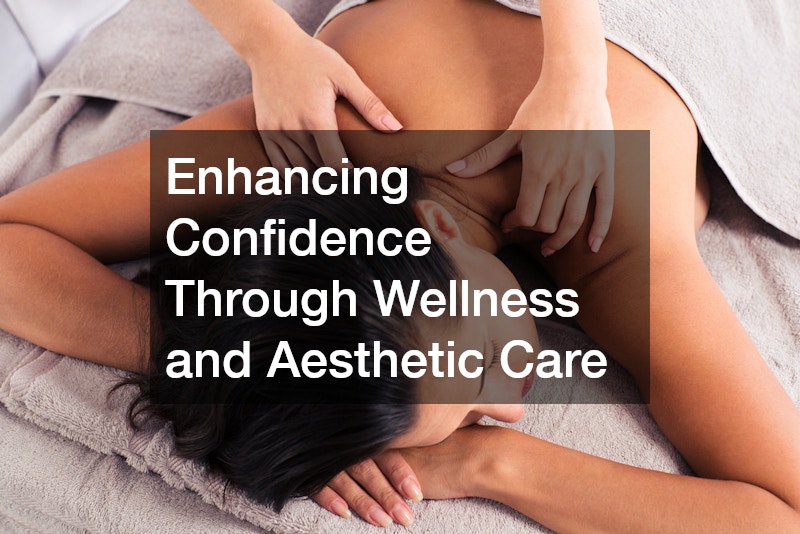
Self-care also includes how individuals feel about their appearance and overall confidence. While health is the foundation of wellness, many people find that aesthetic treatments help them feel more comfortable and confident in their own skin.
The Role of Confidence in Overall Well-Being
Confidence plays a significant role in emotional and mental wellness. When individuals feel good about their appearance, they are often more motivated to maintain healthy habits and engage actively in their personal and professional lives.
Self-care routines that promote both health and confidence can contribute to a more balanced lifestyle.
Modern Approaches to Personal Wellness
Many individuals incorporate services from a medspa into their self-care routine. These facilities often provide treatments designed to enhance skin health, improve relaxation, and promote overall rejuvenation.
Common services may include:
-
Facial treatments
-
Skin rejuvenation procedures
-
Relaxation therapies
-
Wellness-focused skincare programs
These services complement traditional health practices by addressing both physical and emotional well-being.
Balancing Health and Aesthetic Wellness
While aesthetic care can enhance confidence, it should always complement—not replace—essential health practices. A balanced wellness plan focuses on maintaining physical health while incorporating services that promote relaxation and self-confidence.
By combining medical care, fitness, and wellness treatments, individuals can create a comprehensive approach to self-care that supports both internal health and external confidence.
Building a Sustainable Self-Care Lifestyle

The key to successful self-care is consistency. Rather than relying on occasional efforts, sustainable wellness comes from developing daily habits that support long-term health.
Consistency Is Key
Healthy routines become more effective when they are practiced regularly. Small actions performed consistently can lead to significant improvements over time.
Examples include:
-
Drinking enough water throughout the day
-
Engaging in regular physical activity
-
Practicing good posture
-
Maintaining healthy sleep habits
These simple routines contribute to lasting wellness.
Tips for Long-Term Wellness
To build a sustainable self-care lifestyle, consider the following strategies:
-
Schedule regular health checkups and screenings.
-
Maintain an active lifestyle through exercise or sports.
-
Eat a balanced diet rich in nutrients.
-
Prioritize mental health through relaxation or mindfulness.
-
Seek professional care when necessary.
Create Your Personal Wellness Network
Many people benefit from working with a team of healthcare professionals who support different aspects of wellness. This network may include physicians, therapists, dental professionals, and fitness instructors.
Having access to trusted experts ensures that individuals receive proper guidance whenever health concerns arise.
Conclusion
Modern self-care is about more than occasional relaxation—it is about creating a balanced lifestyle that supports long-term health and well-being. By taking a proactive approach to wellness, individuals can maintain their physical strength, protect their oral health, manage discomfort, and build confidence.
A comprehensive wellness plan often includes preventive care, physical activity, professional medical support, and healthy lifestyle habits. From regular checkups with healthcare providers to staying active and prioritizing recovery, each component contributes to total body wellness.
The journey toward better health does not require drastic changes overnight. Instead, it begins with small, consistent steps that gradually become part of daily life. By investing time and effort into self-care today, individuals can enjoy a healthier, more active, and more fulfilling future.
Ultimately, the modern self-care plan is about empowering individuals to take control of their health and well-being—one positive habit at a time.