Building a healthier lifestyle involves more than eating nutritious foods or exercising regularly. It requires a balanced approach that considers physical health, emotional well-being, preventive care, and the environment in which people live. From scheduling routine medical appointments to making practical improvements at home, everyday decisions can influence how individuals feel and function over time.
Wellness also looks different for everyone. Some people may want to improve their energy levels, while others may focus on managing an ongoing condition, recovering from an injury, or maintaining their independence as they age. Understanding available healthcare services and recognizing when professional support is appropriate can help individuals make informed decisions about their needs.
By combining healthy habits with preventive medical care and supportive living environments, people can take meaningful steps toward improving their quality of life. A sustainable approach emphasizes consistency, realistic goals, and personalized guidance rather than quick fixes or one-size-fits-all solutions.
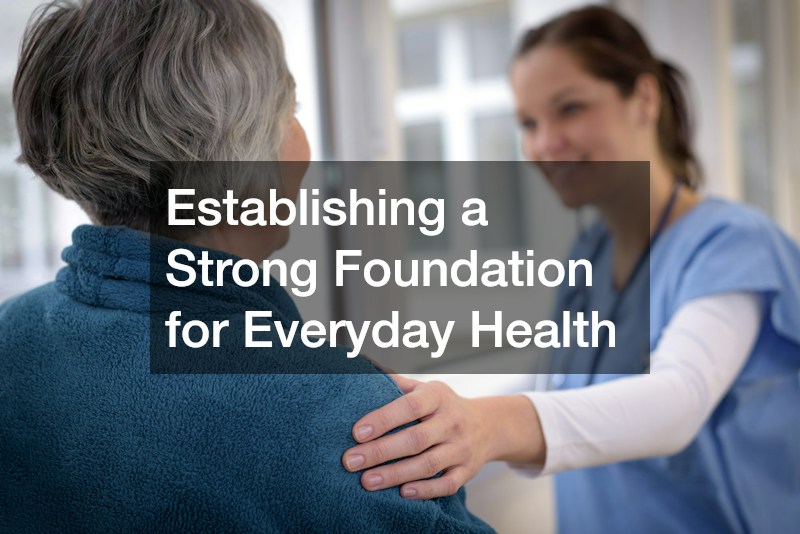
Establishing a Strong Foundation for Everyday Health
Healthy routines provide a foundation for long-term wellness. Although lifestyle changes can seem overwhelming at first, small adjustments often make them easier to maintain. Preparing balanced meals, staying physically active, getting enough sleep, and managing stress can support many aspects of physical and emotional health.
Nutrition is an important starting point. A balanced eating pattern can include vegetables, fruits, whole grains, legumes, healthy fats, and suitable sources of protein. Individual nutritional needs vary depending on age, activity level, medical history, and other factors. People managing chronic conditions may benefit from speaking with a registered dietitian or healthcare provider about an eating plan that supports their specific goals.
Regular physical activity can also improve strength, mobility, cardiovascular fitness, and mood. Walking, swimming, cycling, dancing, and resistance exercises offer different benefits, allowing people to choose activities that fit their abilities and preferences. Those who are new to exercise or have existing health concerns should discuss appropriate activity levels with a qualified professional when necessary.
Sleep deserves equal attention. Establishing a consistent bedtime, limiting late-night screen use, and creating a comfortable sleeping environment may help improve sleep quality. Persistent difficulty sleeping, excessive daytime fatigue, or loud snoring accompanied by breathing interruptions warrants medical evaluation.
Stress management is another important part of a balanced lifestyle. Spending time outdoors, maintaining social connections, practicing relaxation techniques, and making room for enjoyable activities can help people manage everyday pressures. When stress becomes persistent or begins interfering with daily life, professional support may be beneficial.
The key is to focus on habits that can be maintained over time. Rather than changing every routine at once, individuals can begin with one or two manageable goals and gradually build on their progress.

Using Preventive Care to Protect Long-Term Wellness
Preventive healthcare helps people monitor their health, identify potential concerns, and make informed decisions about treatment. Regular checkups allow healthcare providers to review medical history, assess risk factors, discuss symptoms, and recommend appropriate screenings or vaccinations.
The timing of preventive appointments depends on age, personal risk factors, and existing medical conditions. Blood pressure checks, cholesterol assessments, diabetes screening, and cancer screenings may be recommended according to individual circumstances and established clinical guidelines. Keeping track of appointments and following up on test results can help prevent important health concerns from being overlooked.
Access to timely medical advice is particularly valuable when new symptoms develop. A walk in clinic may provide a convenient option for evaluating certain non-emergency concerns, such as minor infections, mild allergic reactions, or uncomplicated injuries. Services vary by facility, so patients should confirm whether the location can address their needs.
However, walk-in services are not a substitute for emergency care. Symptoms such as severe chest pain, difficulty breathing, sudden weakness, or signs of a stroke require immediate emergency assistance. Recognizing the difference between routine concerns and medical emergencies can help individuals seek the appropriate level of care.
People with ongoing cardiovascular concerns may need specialized evaluation. A cardiologist focuses on conditions affecting the heart and cardiovascular system, including certain rhythm disorders, coronary artery disease, and heart failure. A primary care provider may recommend a referral based on symptoms, examination findings, family history, or other risk factors.
Patients can make medical appointments more productive by preparing questions, bringing an updated medication list, and recording changes in their symptoms. Sharing accurate information helps healthcare professionals assess concerns and discuss appropriate next steps.
Preventive care also involves understanding family medical history. Information about conditions affecting close relatives may help providers determine whether earlier screening or additional monitoring is appropriate. Although family history cannot predict every health outcome, it can be a useful part of an individualized prevention plan.

Finding Personalized Support for Specific Health Goals
Some wellness goals require more specialized guidance than general healthy habits can provide. People may seek professional support for weight management, changes in appearance, discomfort affecting mobility, or symptoms that interfere with everyday activities. Understanding the available options can help them approach these concerns with realistic expectations.
For individuals seeking help with weight-related health concerns, medical weight loss programs may offer structured support under professional supervision. Depending on the provider and a person’s circumstances, care may involve reviewing medical history, assessing relevant health conditions, discussing nutrition and physical activity, and considering appropriate treatments.
Weight management is influenced by multiple factors, including genetics, medications, sleep, stress, hormones, and daily routines. A qualified healthcare professional can help determine whether an underlying condition or medication may be affecting weight and discuss suitable options. Patients should be cautious of programs promising rapid, guaranteed results or recommending treatments without appropriate medical evaluation.
Changes in appearance can also affect personal confidence. People experiencing hair thinning or hair loss may benefit from consulting a hair restoration specialist to understand possible causes and available treatments. Hair loss can be associated with hereditary factors, hormonal changes, nutritional deficiencies, certain medications, or medical conditions. Identifying the cause is an important step before deciding whether a treatment is appropriate.
Depending on the diagnosis, management options may include medication, topical treatments, procedural approaches, or hair restoration surgery. A qualified provider should explain potential benefits, limitations, risks, costs, and expected recovery requirements. Patients should also understand that results vary and that some treatments require ongoing maintenance.
Circulatory concerns may require another type of specialized evaluation. Varicose veins are enlarged veins that often appear in the legs and may cause aching, heaviness, swelling, or discomfort. In some cases, they may also be associated with underlying venous disease.
Available varicose vein treatments depend on symptom severity, vein function, medical history, and examination findings. A healthcare professional may recommend conservative measures such as movement, leg elevation, or compression garments when appropriate. Other cases may benefit from minimally invasive procedures designed to close or remove affected veins. Sudden leg swelling, significant pain, warmth, or redness should receive prompt medical assessment, particularly when symptoms develop unexpectedly.
Some people also explore complementary approaches to support their overall well-being. An acupuncture doctor may provide acupuncture, which involves placing fine needles at specific points on the body. People may consider it for certain types of pain, nausea, or other symptoms, depending on the available evidence and their medical circumstances.
Individuals considering acupuncture should discuss their goals with a qualified practitioner and inform their regular healthcare provider about complementary treatments. Appropriate hygiene, sterile single-use needles, and a practitioner’s training are important safety considerations. Complementary approaches should not replace necessary medical evaluation or established treatment without professional guidance.
Across all these services, the most useful starting point is a clear understanding of the concern being addressed. Professional assessment helps individuals compare options and avoid treatments that may be unnecessary, unsuitable, or unsupported by adequate evidence.

Creating a Home Environment That Supports Health
A person’s living environment can influence comfort, sleep quality, safety, and everyday activity. A healthier lifestyle therefore includes paying attention to indoor conditions and maintaining a home that supports physical well-being.
Indoor air quality is one important consideration. Dust, pet dander, moisture, smoke, and other airborne pollutants can contribute to discomfort or aggravate certain respiratory conditions. Regular cleaning, appropriate ventilation, and properly maintained filtration systems can help manage some indoor pollutants.
Heating and cooling equipment also deserves routine attention. Scheduling AC maintenance can help identify clogged filters, drainage problems, worn components, and other issues that may affect system performance. Replacing filters according to manufacturer recommendations and keeping vents unobstructed can support airflow and help maintain a comfortable indoor temperature.
Air conditioning is especially important for people who are more vulnerable to extreme heat, including some older adults and individuals with certain chronic conditions. A malfunctioning cooling system during hot weather can create serious health risks. Households should have a backup plan for staying cool when equipment fails during extreme temperatures.
Natural light and ventilation can also contribute to a comfortable living space. Windows that are difficult to open, have damaged seals, or allow noticeable drafts may affect temperature control and everyday comfort. In some homes, window replacements may help address these problems.
Modern replacement windows may improve insulation, reduce drafts, and make indoor temperatures more consistent when appropriately selected and installed. Homeowners should compare energy performance, materials, installation quality, and compatibility with their property’s structure before choosing a product.
Moisture control is equally important. Persistent condensation, leaks, or damp materials may encourage mold growth, which can aggravate symptoms in sensitive individuals. Identifying the source of moisture and addressing it promptly is more effective than simply cleaning visible discoloration without resolving the underlying problem.
Safety improvements can further support wellness. Secure handrails, adequate lighting, nonslip bathroom surfaces, clear walkways, and accessible storage can reduce everyday hazards. These adjustments may be particularly helpful for individuals with limited mobility or those recovering from an illness or injury.
A healthy home does not need to be completely renovated. Regular maintenance, practical safety improvements, and attention to air quality can make a meaningful difference in how comfortable and functional a living environment feels.
Supporting Recovery and Independence at Every Age
Health needs can change throughout life. Children, working adults, people recovering from medical procedures, and older adults may require different forms of support. Recognizing these changing needs helps families plan ahead and determine when additional assistance could be useful.
For individuals recovering from surgery or managing a chronic condition, home health care may provide certain clinical services in the home when eligibility and medical requirements are met. Depending on the care plan, services may include skilled nursing, wound care, medication-related support, or physical therapy provided by qualified professionals.
Home-based services can help eligible patients receive appropriate care while remaining in familiar surroundings. However, the level of support available depends on medical needs, provider capabilities, insurance coverage, and applicable program requirements. Patients and families should confirm what services are included and whether additional assistance will be necessary.
It is also important to distinguish skilled home health services from broader personal care or household assistance. Someone who needs help with bathing, dressing, meal preparation, transportation, or other daily activities may require a different type of support. Understanding these distinctions can help families arrange suitable services.
As people age, maintaining independence often becomes a central consideration. Elderly care may involve a combination of medical monitoring, help with everyday activities, social engagement, and practical adjustments that make living arrangements safer. The appropriate approach depends on an individual’s abilities, preferences, health conditions, and available support network.
Families can begin by discussing what assistance an older relative wants and needs. Some individuals may benefit from occasional help with errands or housekeeping, while others may require more consistent supervision or personal care. Including the older adult in decisions helps preserve dignity and autonomy wherever possible.
Caregivers should also watch for changes that could indicate a need for professional assessment. Repeated falls, unexplained weight loss, confusion, missed medications, or difficulty managing daily tasks may warrant a conversation with a healthcare provider. Sudden changes in mental status or physical function may require urgent evaluation.
Supporting another person’s health can be demanding, so caregivers need to consider their own well-being as well. Sharing responsibilities, arranging respite care when available, and maintaining personal medical appointments can help reduce strain. Caregiving is often more sustainable when responsibilities are clearly organized and support is requested before exhaustion becomes overwhelming.
Planning for future care can make transitions less stressful. Families may wish to discuss preferred living arrangements, emergency contacts, medical information, transportation needs, and financial considerations before a crisis occurs. These conversations can help everyone understand expectations and prepare for possible changes.
Building Sustainable Wellness Habits for the Future
Long-term wellness depends on combining healthy daily routines with appropriate professional support. Although medical services can address specific concerns, everyday choices also influence how people feel and function. The most effective approach recognizes that prevention, treatment, recovery, and environmental improvements often work together.
Setting realistic goals is a useful first step. Someone who wants to become more active might begin with short walks several times a week. A person who frequently forgets appointments could use a calendar or reminder system. Someone concerned about indoor comfort might start by changing an overdue air filter or arranging an inspection for a persistent maintenance issue.
Tracking progress can make these efforts easier to sustain. Simple notes about activity levels, sleep patterns, symptoms, or completed appointments can help individuals identify trends and recognize when a routine needs adjustment. People monitoring medical conditions should follow the tracking guidance provided by their healthcare professionals.
It is also important to avoid comparing personal progress with someone else’s experience. Health goals depend on individual circumstances, and improvement may occur gradually. A sustainable routine should account for work schedules, caregiving responsibilities, financial limitations, and physical abilities.
Reliable information can help people distinguish evidence-based care from exaggerated claims. Healthcare professionals can explain whether a treatment is appropriate, what outcomes are realistic, and which alternatives may be available. Before committing to an expensive service or major lifestyle change, individuals should understand the costs, potential risks, and practical requirements involved.
Finally, wellness plans should be reviewed as circumstances change. A new diagnosis, a change in mobility, an adjustment to medication, or a different living arrangement may require updated routines or additional support. Regular communication with healthcare providers and family members can help people respond to those changes thoughtfully.
Building a healthier lifestyle through medical care and wellness support involves making consistent, informed choices that address the whole person. By establishing sustainable habits, prioritizing preventive care, seeking appropriate professional guidance, and creating supportive living environments, individuals can take practical steps toward better health and everyday comfort. With realistic goals and a willingness to adapt, wellness can become an ongoing part of daily life rather than a short-term effort.